Find a Clearer Path Forward With a Lindale Debt Consolidation Attorney
Keeping up with several creditors every month can make an already difficult financial situation feel impossible to manage. Credit card balances, medical expenses, personal loans, and other unsecured debts can quickly add up, leaving you with multiple payments and little room in your budget.
The Law Office of Richard Hughes helps individuals and families in Lindale, TX, understand their debt relief options and determine what approach makes sense for their circumstances. With more than 30 years of experience serving clients throughout East Texas, Richard Hughes provides straightforward legal guidance focused on helping you regain control of your finances.
Debt Consolidation Guidance for Your Financial Situation
Take Charge of Your Finances
Debt can become difficult to manage for many reasons. A job change, unexpected expenses, increasing interest rates, or growing credit card balances can all make monthly payments harder to afford.
Before recommending a solution, Richard Hughes takes the time to understand your income, expenses, debts, and financial goals. He can explain how debt consolidation works, discuss the potential advantages and limitations, and help you determine whether consolidation is appropriate for your situation.
You don't have to figure out your options on your own. With experienced legal guidance, you can make financial decisions with a clearer understanding of what comes next.
A Debt Consolidation Strategy Built Around You
Tailored To Your Needs
There isn't one debt relief solution that works for everyone. Richard Hughes develops a strategy based on your individual financial circumstances rather than taking a one-size-fits-all approach.
Depending on your situation, consolidating multiple debts into one payment may help you:
- Make your monthly payments easier to organize
- Reduce the number of creditors you have to manage
- Potentially lower the interest you pay
- Establish a repayment schedule that fits your budget
Debt consolidation does not eliminate what you owe, but it may make your obligations more manageable and provide a clearer route toward paying them down.
Experienced Debt Negotiation and Legal Support
Protecting Your Interests
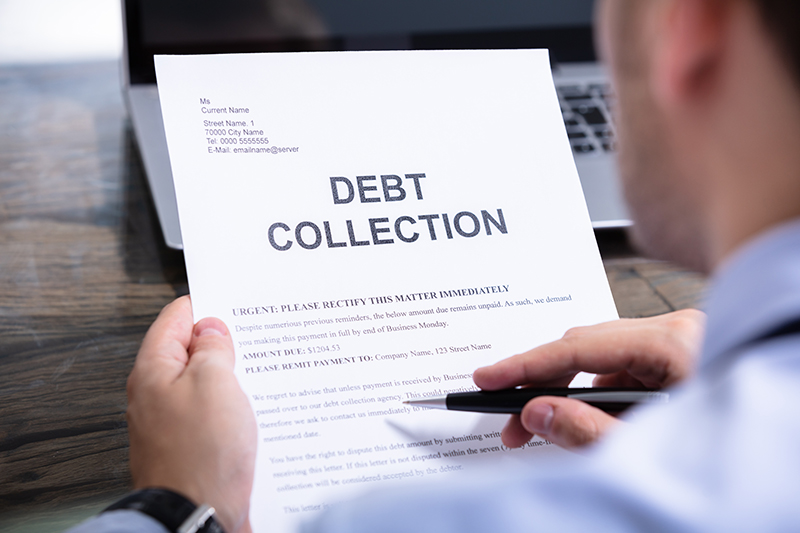
Constant collection calls, letters, and payment demands can add even more pressure to an already stressful financial situation. An experienced attorney can help take some of that burden off your shoulders.
Richard Hughes can communicate with creditors and work to negotiate repayment arrangements that better align with your financial circumstances. Depending on the situation, negotiations may involve reduced interest rates, lower fees, or more manageable payment terms.
With an attorney advocating for your interests, you can focus on addressing your financial situation while your legal options are being evaluated.
Contact Richard Hughes
Take the First Step Towards Debt Relief
If you're struggling to manage several debts at once, taking action sooner can give you more opportunities to address the situation. Richard Hughes can review your finances, explain the debt relief options available to you, and determine whether debt consolidation is a practical solution.
The Law Office of Richard Hughes has more than three decades of experience helping East Texas residents address financial challenges. Schedule a consultation today to discuss your situation with a debt consolidation attorney for Lindale, TX.
Frequently Asked Questions
What is debt consolidation?
Debt consolidation combines multiple debts into a single debt, typically through a new loan used to pay off existing balances. Instead of managing several creditors and payment dates, you make one monthly payment on the new debt. Depending on the terms, consolidation may also provide a lower interest rate or a more manageable repayment schedule.
How does debt consolidation work in Texas?
Debt consolidation generally involves obtaining a new loan or financial arrangement that is used to pay off multiple existing debts. Once those accounts are paid, you make payments toward the consolidated balance rather than making separate payments to each creditor.
For someone managing several due dates and interest rates, having one payment can simplify monthly finances. Whether consolidation will actually reduce your overall costs depends on the terms of the new loan and your individual circumstances.
What is a debt consolidation loan?
A debt consolidation loan is a personal loan used to pay off multiple existing debts. Once those balances are satisfied, you repay the new loan through regular payments over a set period.
Debt consolidation loans are commonly used to address unsecured debts such as credit cards, medical bills, and personal loans. The terms of the new loan, including its interest rate and repayment period, determine whether consolidation will benefit your financial situation.
Is debt consolidation a better option than declaring bankruptcy?
There is no single answer for everyone. Debt consolidation may be appropriate when you have enough steady income to repay your debts and can manage the resulting monthly payment.
When debt has become unmanageable, or there isn't enough income to realistically repay what you owe, bankruptcy may offer a different form of debt relief. Richard Hughes can review your circumstances and explain how consolidation and bankruptcy compare so you can make an informed decision about your next step.
How can an attorney help consolidate my debt?
A debt consolidation attorney can review your financial situation, explain available debt relief strategies, and help you understand the terms and potential consequences of different options.
An attorney may also negotiate directly with creditors. Depending on your circumstances, negotiations could involve changes to interest rates, fees, or repayment arrangements. Legal guidance can help you understand your choices before committing to a particular debt relief strategy.
Can an attorney help me with debt collectors?
Yes. An attorney can communicate with debt collectors on your behalf and help address collection activity that may violate applicable state or federal laws.
Having legal representation can also make it easier to understand your rights and determine how collection efforts fit into your broader debt relief strategy.
What’s the difference between debt consolidation and debt settlement?
Debt consolidation and debt settlement address debt in different ways.
Debt consolidation generally combines multiple debts into one new obligation, allowing you to repay the full amount through a single payment.
Debt settlement involves negotiating with creditors to accept less than the full amount owed. A settlement may reduce the total debt, but creditors do not have to agree to a settlement, and the process can have consequences for your credit and finances.
Richard Hughes can explain the differences between these approaches and help you evaluate which options may be available based on your financial circumstances.